
The Hardest Part of Change Isn't the Change. It's the Waiting.
“My head knows I need more time to settle in, but my heart wants to go faster — do more, see more.”
A coachee shared this recently, and it captured one of the most common challenges we face during periods of transition.
We could be stepping into a new role, or building a new capability — there’s often a gap between where we want to be, and how quickly progress actually unfolds. Our expectations move faster than reality.
We've been conditioned to equate speed with success. The quicker we see the results, the more confident and satisfied we feel. So when we begin something new, the time needed for meaningful progress frustration often follows.
The parkour lesson
I saw this play out recently with my young nephew.
He loves movement and adventure, so when he asked to try parkour, I signed him up for a session. After the first lesson, his enthusiasm waned. Dramatically.
The foundational movements of jumping and balancing that they practiced, weren’t matching his expectations of backflipping off park benches or scaling mini walls. The basics felt disappointingly ordinary.
I explained that he needed to learn the basics, before he could eventually do the exciting backflips.
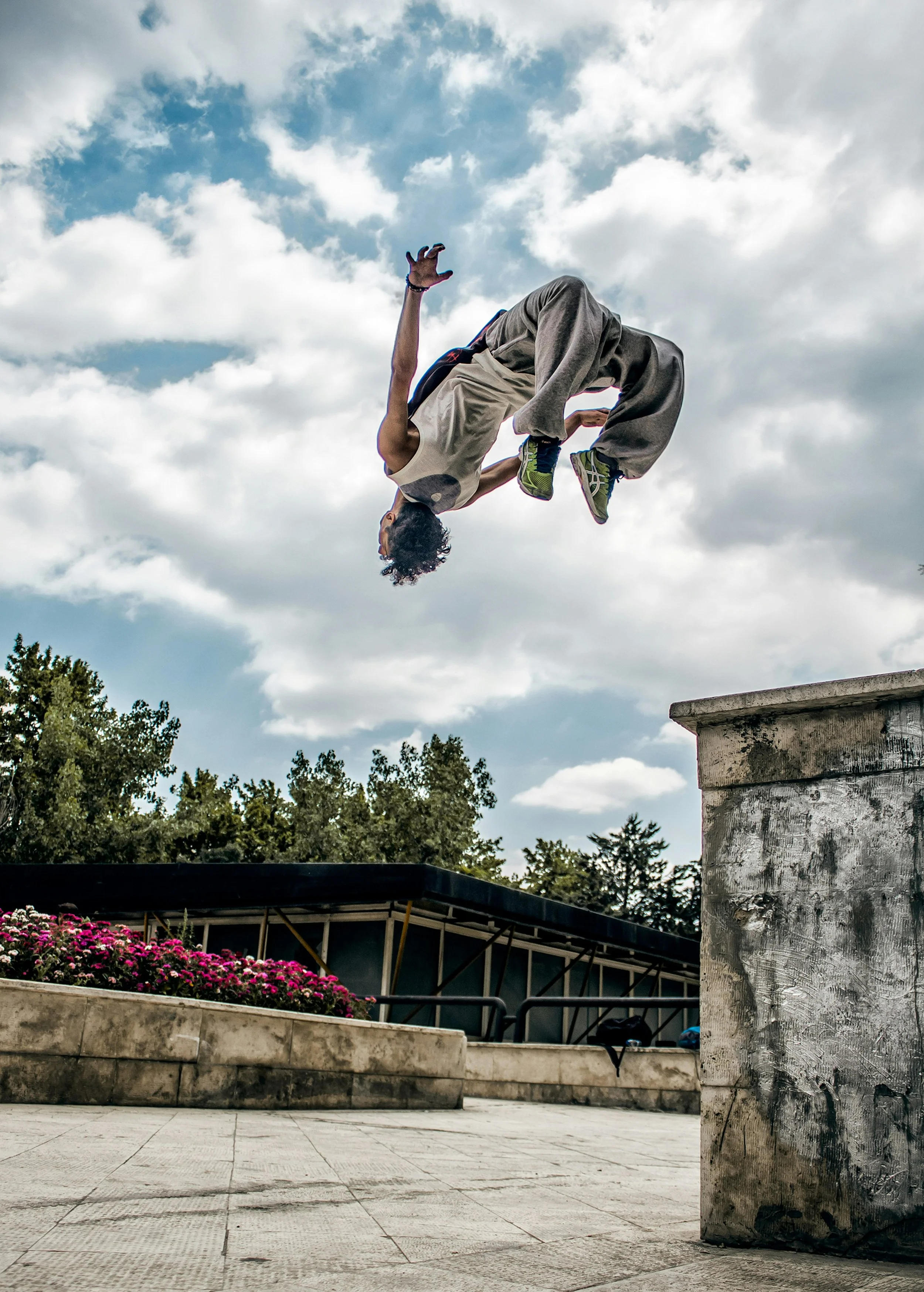
"Yeah, I know..." he mumbled.
But knowing wasn't the issue. Waiting was.
He never asked to attend a second lesson.
As adults, we're often not that different.
We understand intellectually that growth takes time. Yet when progress feels slower than expected, we become discouraged. Sometimes we give up altogether.
So what do we do with this inner conflict?
The reality is that this tension will show up whenever we're moving into unfamiliar territory.
Part of us is eager to arrive. Another part is still adjusting to the journey.
The goal isn't to eliminate this conflict. It's to navigate it better, so we can move through change with greater ease and resilience.
1. Get better at self-regulating
When we're uncomfortable or uncertain, our brains naturally seek stability. We revert to familiar behaviours, old habits, and protective patterns.
Pay attention to your automatic reactions when things aren't progressing as quickly as you'd hoped.
Do you become impatient? Withdraw? Second-guess yourself?
Ask yourself: "What would a calmer, steadier version of me do here?"
Practise that response repeatedly until it comes to you with minimal effort.

2. Make progress visible
One of the reasons transitions feel difficult is because we're leaving behind the familiarity of the old before fully arriving at the new.
In that in-between space, it can feel like nothing is happening. But often, progress is occurring — it's just harder to see.
Create tangible proof points that help your brain recognise movement.
You might:
Set milestone markers along the way
Track weekly actions and learning progress
Partner with someone who can reflect back the growth you're missing
What we can see, we're more likely to believe.
3. Give yourself the occasional free pass
Some days, the frustration wins. That's normal.
Rather than fighting it, create healthy space for it.
Set a timer for 30 minutes.
Rant. Complain. Feel disappointed. Acknowledge what's difficult.
Then, when the timer ends, step back into the work.
The goal isn't to suppress struggles and how they make us feel. It's to avoid setting up permanent residence in them, and giving up.
Trusting what you can’t see - for now
Most meaningful transitions contain a parkour phase.
The part where you're practising fundamentals while wishing you were already performing the backflips. The part where progress feels slower than you'd like, where defaulting back to ‘how things were’ starts to look tempting.

Don't mistake the absence of visible results for the absence of growth. Sometimes the most important work is happening beneath the surface.
And often, those of us who eventually make the cross-over aren't the most talented or the fastest.
They're the ones who stay with the process long enough for change to take root.
If you're currently navigating a transition and finding yourself caught between knowing you need patience and wanting results now, you're not alone.
This tension shows up frequently in coaching conversations. Sometimes what helps most isn't another strategy, but having the space to untangle what's happening internally so you can move forward with greater clarity, confidence, and lightness.
Where are you currently in your own parkour journey?
If you're in a season of change and the path seems uncertain, coaching creates the space to slow down, think clearly, and move forward with actionable goals.
Reach out for a complimentary discovery call to find out how.
SUBSCRIBE
If this resonated:
hit the Sign Up button (on the left) for my newsletter to receive more about navigating change at work and in life.
forward this to someone who will also benefit from using these tools and perspectives.
